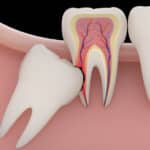
A loose or mobile tooth can be worrying, especially when it happens in an adult. While loose baby teeth are a normal part of growing up, a permanent tooth becoming loose is not usually normal and should be evaluated by a dentist.
A mobile tooth can occur for several reasons, ranging from gum disease and infection to injury or loss of supporting bone. Getting the right treatment at the right time may help protect the tooth and prevent the condition from getting worse.
Why Does a Tooth Become Loose?
Your teeth are held firmly in place by the gums, periodontal ligaments, and the bone surrounding the tooth. When these supporting structures become damaged or weakened, the tooth may start to move.
Some common causes include:
1. Gum Disease
Advanced gum disease is one of the common causes of tooth mobility in adults. Infection and inflammation can damage the tissues and bone supporting the teeth.
You may also notice symptoms such as:
- Bleeding gums
- Swollen or red gums
- Persistent bad breath
- Gum recession
- Pus around the gums
- Teeth becoming increasingly mobile
Early treatment of gum disease may help prevent further damage.
2. Dental Injury or Trauma
A blow to the face, sports injury, accident, or biting something unusually hard can cause a tooth to become mobile.
Even if the tooth does not appear broken, the tissues supporting it may have been injured. Therefore, a dental examination is important after significant trauma.
3. Infection Around the Tooth
A dental infection can affect the tissues surrounding a tooth and may sometimes cause pain, swelling, tenderness, or mobility.
If you have swelling of the face or gums, severe toothache, fever, or difficulty swallowing, seek urgent professional dental care.
4. Bone Loss
The bone surrounding the teeth provides essential support. Bone loss, particularly when associated with advanced gum disease, can reduce the stability of a tooth.
A dentist may recommend dental X-rays to assess the supporting bone and determine the condition of the tooth.
5. Teeth Grinding or Excessive Bite Pressure
Habitual teeth grinding or clenching can place excessive forces on the teeth and their supporting tissues. Over time, this may contribute to tooth sensitivity, wear, discomfort, or mobility in some individuals.
6. Poor Oral Hygiene
Plaque and tartar buildup can contribute to gum inflammation and periodontal disease. Without proper treatment, the supporting tissues around the teeth may gradually become damaged.
Regular brushing, cleaning between the teeth, and professional dental check-ups are important for maintaining healthy gums.
What Should You Do If Your Tooth Is Mobile?
If you notice that a permanent tooth is loose, do not ignore it. The first step should be to schedule a dental examination.
Until you see your dentist:
- Avoid repeatedly touching or moving the tooth with your tongue or fingers.
- Avoid biting hard or crunchy foods with the affected tooth.
- Choose softer foods if chewing is uncomfortable.
- Maintain gentle oral hygiene around the area.
- Do not attempt to pull out the tooth yourself.
- Avoid applying unprescribed medicines or chemicals directly to the gums.
The treatment depends on why the tooth is mobile and how much supporting tissue has been affected.
Can a Loose Tooth Be Saved?
In some cases, yes. The possibility of saving a mobile tooth depends on factors such as the cause, degree of mobility, condition of the gums and bone, and whether the tooth has suffered an injury.
Depending on the diagnosis, treatment may include:
- Professional cleaning or scaling
- Gum disease treatment
- Treatment of a dental infection
- Bite correction
- Splinting of a mobile tooth after appropriate evaluation
- Treatment following dental trauma
- Other periodontal or dental procedures when required
A dentist will examine the tooth and surrounding tissues and may recommend dental X-rays before deciding on the appropriate treatment.
When Is a Loose Tooth a Dental Emergency?
Seek prompt dental attention if tooth mobility occurs after an accident or injury, particularly when there is:
- Severe pain
- Significant bleeding
- Facial or gum swelling
- A tooth that has moved from its normal position
- A tooth that is partially displaced
- Difficulty biting or closing the mouth
- Fever or signs of infection
If a permanent tooth has been completely knocked out due to an injury, it requires urgent dental care because treatment is time-sensitive.
What About Loose Baby Teeth?
Loose baby teeth are generally a normal part of childhood. As permanent teeth develop underneath, the roots of baby teeth naturally resorb, allowing them to become loose and eventually fall out.
However, if a child’s tooth becomes loose following an injury, is associated with significant pain or swelling, or becomes loose unexpectedly, it is advisable to have it examined by a dentist.
Don’t Wait Until the Tooth Falls Out
A mobile permanent tooth is a warning sign that should not be ignored. The earlier the cause is identified, the sooner appropriate treatment can begin.
If you notice a loose or mobile tooth, consult a qualified dentist for a proper examination instead of trying to manage it at home.
Take Care of Your Smile with Anbu Dental, Madurai
At Anbu Dental, Madurai, our dental team provides comprehensive evaluation and treatment for gum problems, tooth mobility, dental infections, and other oral health concerns.
If your permanent tooth feels loose or mobile, don’t wait for it to worsen. Get it evaluated by a dentist and understand the cause behind it.
Anbu Dental, Madurai
Healthy Teeth. Healthy Smile. Better Life.