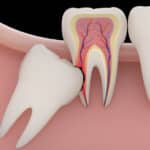
A tooth injury can happen unexpectedly while playing sports, eating hard foods, falling, or experiencing an accident. A chipped, cracked, broken, or completely knocked-out tooth can cause pain, bleeding, and sensitivity. Knowing what to do immediately can help protect the injured tooth and improve the chances of successful treatment.
At Anbu Dental, Madurai, we believe that timely dental care plays an important role in managing dental injuries and protecting your smile. If you or your child experiences a tooth injury, taking the right steps and seeking prompt dental attention can make a significant difference.
What Are the Common Types of Tooth Injuries?
Tooth injuries can vary from minor chips to serious damage involving the tooth root or surrounding tissues.
- Chipped tooth: A small piece of the tooth breaks off, often affecting the front teeth.
- Cracked tooth: A crack develops in the tooth and may cause pain while biting or chewing.
- Broken tooth: A larger portion of the tooth breaks, sometimes exposing the sensitive inner layers.
- Dislodged tooth: The tooth becomes loose or moves out of its normal position following an impact.
- Knocked-out tooth: The entire tooth comes out of its socket due to an injury.
- Dental injuries in children: Falls, sports, and playground accidents can damage both baby teeth and permanent teeth.
What Should You Do Immediately After a Tooth Injury?
Knowing how to respond can help reduce further damage until you receive professional dental care.
- Stay Calm and Check the Injury
Carefully examine the mouth to identify the affected tooth, bleeding, swelling, or visible damage. Avoid repeatedly touching or moving the injured tooth.
If the injury follows a major accident, or the person has difficulty breathing or swallowing, heavy bleeding, loss of consciousness, or a suspected jaw fracture, seek emergency medical care immediately.
- Control Bleeding and Reduce Swelling
If the gums or lips are bleeding, apply gentle pressure using clean gauze. Apply a cold compress to the outside of the cheek for short intervals to help reduce swelling.
Do not place ice directly against the injured tooth or gum.
- Save Any Broken Tooth Fragments
If a piece of the tooth has broken off, collect it carefully and store it in a clean container. Bring it to the dentist, as the fragment may sometimes be reattached.
Avoid scrubbing the fragment or using household adhesives to repair the tooth.
- What Should You Do If a Permanent Tooth Is Knocked Out?
A completely knocked-out permanent tooth requires immediate dental attention. The chances of saving it may improve with prompt treatment.
- Pick up the tooth by its crown — the visible white part — and avoid touching the root.
- If dirty, gently rinse it with milk or saline. Do not scrub it or use soap.
- If it is a permanent tooth and the person is conscious, cooperative, and able to do so safely, the tooth may be gently placed back into its socket without forcing it.
- If reinsertion is not possible, keep the tooth moist in milk or a suitable tooth-preservation solution and seek emergency dental care immediately.
Important: Never attempt to reinsert a baby tooth, as this can damage the developing permanent tooth underneath. Do not let a knocked-out tooth dry out, and do not delay treatment while trying home remedies.
- Avoid Chewing With the Injured Tooth
Choose soft foods if eating is comfortable, and avoid biting with the injured area. Avoid very hot, cold, hard, or sticky foods if they trigger pain or sensitivity.
Do not attempt to file, glue, or repair a broken tooth yourself.
How Do Dentists Treat Broken or Injured Teeth?
The appropriate treatment depends on the severity of the injury, the amount of tooth structure damaged, and whether the nerve or root has been affected.
Common treatment options include:
- Dental bonding: Used to repair minor chips and restore the tooth’s appearance.
- Dental fillings: Used when a limited portion of the tooth is damaged.
- Dental crowns: May be recommended when a larger portion of the tooth is broken or weakened.
- Root canal treatment: May be necessary if the inner pulp tissue is severely damaged or infected.
- Repositioning and stabilisation: A displaced or loosened tooth may need to be repositioned and supported with a dental splint.
- Treatment for knocked-out teeth: Reimplantation may be possible for a permanent tooth, followed by monitoring and additional treatment when required.
In children, treatment also depends on whether the injured tooth is a baby tooth or a permanent tooth and whether the tooth is still developing.
Can a Broken Tooth Heal on Its Own?
A broken tooth cannot naturally grow back or repair a missing piece of enamel. Although minor chips may not always cause pain, cracks and fractures can worsen without treatment.
Even if the injury appears small, a dental examination can help identify hidden damage and determine whether treatment is necessary. Delaying care may increase the risk of infection, persistent pain, or further tooth damage.
How Can You Prevent Tooth Injuries?
Although not every accident can be prevented, a few simple precautions can reduce the risk of dental injuries:
- Wear a properly fitted mouthguard during contact sports.
- Avoid chewing ice, hard objects, and other items that may fracture teeth.
- Use seat belts and appropriate protective equipment.
- Keep children’s play areas safe to reduce falls and impacts.
- Attend regular dental check-ups to identify weakened teeth and existing dental problems.
When Should You Visit a Dentist?
Seek immediate dental care if a permanent tooth is knocked out, a tooth is displaced, a fracture exposes the inner tooth, or severe pain or bleeding occurs. Swelling, increasing pain, or signs of infection also require prompt assessment.
Do not wait for pain to develop after a significant dental injury. Some injuries may affect the tooth’s nerve or root even when the external damage appears minor.
Tooth Injury or Broken Teeth? Visit Anbu Dental, Madurai
A tooth injury can be stressful, but timely and appropriate treatment can help protect your oral health and restore your smile. Whether you have a chipped tooth, a painful crack, or a more serious dental injury, professional evaluation is important to determine the right treatment.
At Anbu Dental, K.K. Nagar, Madurai, our dental team can assess your dental concerns and recommend suitable treatment based on your needs.
Address: 303, LIG Colony, K.K. Nagar, Madurai – 625020
Call: 8870862015
If you or your child experiences a tooth injury, seek dental attention promptly. Acting quickly can help protect your teeth and support a healthy, confident smile.
Frequently Asked Questions (FAQs)
- Is a broken tooth a dental emergency?
A broken tooth should be assessed by a dentist promptly. Severe pain, significant fractures, bleeding, or a knocked-out permanent tooth require urgent attention.
- Can a dentist save a knocked-out tooth?
A permanent tooth may sometimes be saved if it is handled correctly and treated quickly. Keep it moist and seek emergency dental care immediately. Baby teeth should not be reinserted.
- What should I do if a broken tooth does not hurt?
Arrange a dental examination even if there is no pain. Some fractures can affect deeper tooth structures without causing immediate symptoms.
- Can a chipped tooth be repaired?
Yes. Depending on the size and location of the chip, a dentist may recommend bonding, a filling, a veneer, or a crown.
- What should I do if my child’s tooth is injured?
Contact a dentist promptly. Treatment depends on whether the injured tooth is a baby tooth or a permanent tooth. Seek urgent care for severe pain, displacement, significant bleeding, or a knocked-out permanent tooth.