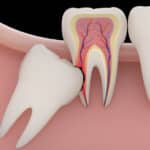
A healthy smile depends on more than just brushing and flossing. The position of your tongue, the way you swallow, and your everyday oral habits can also influence how your teeth develop and align. One important dental condition associated with tooth alignment is malocclusion, which refers to the improper alignment of the teeth or the way the upper and lower teeth fit together.
At Anbu Dental, Madurai, we believe that understanding the causes of malocclusion can help patients and parents recognise potential problems early and seek appropriate dental care.
What Is Malocclusion?
Malocclusion occurs when the upper and lower teeth do not meet correctly when the mouth is closed. It can affect the appearance of the smile, chewing efficiency and, in some cases, speech.
Common types of malocclusion include:
- Overbite: The upper front teeth overlap the lower front teeth excessively.
- Underbite: The lower front teeth sit in front of the upper front teeth.
- Open bite: Some upper and lower teeth do not touch when the mouth is closed.
- Crossbite: Some upper teeth sit inside the lower teeth rather than outside them.
- Crowded teeth: There is insufficient space for teeth to align properly.
Malocclusion can develop due to genetic factors, differences in jaw growth, early or delayed tooth loss, and certain oral habits. Tongue posture and function can also contribute to some alignment problems.
How Does the Tongue Influence Tooth Alignment?
The tongue is a strong, flexible muscle that plays an essential role in speaking, swallowing, chewing and maintaining oral function. It also exerts pressure on the teeth and surrounding oral structures.
The teeth are influenced by the balance between the tongue’s pressure from inside the dental arches and the pressure exerted by the lips and cheeks from outside. When these forces are balanced, they help maintain the position of the teeth. Persistent changes in tongue posture or function may contribute to dental changes, particularly while the jaws are developing.
- Incorrect Tongue Resting Position
Ideally, the tongue rests gently against the roof of the mouth, with the tip positioned just behind the upper front teeth without pushing against them.
When the tongue habitually rests low in the mouth, it may affect the balance of forces acting on the dental arches. In some growing children, this can be associated with changes in upper jaw development or dental arch shape.
However, tongue position alone does not determine jaw growth or tooth alignment. Genetics, nasal breathing, facial growth and other oral habits can also play a role.
- Tongue Thrusting During Swallowing
Tongue thrust occurs when the tongue pushes forward against or between the front teeth during swallowing.
If this pattern is persistent, it may contribute to certain dental problems, including:
- Anterior open bite, where the front teeth do not meet.
- Forward inclination of the upper or lower front teeth.
- Changes in the way the teeth contact each other.
Tongue thrusting may occur alongside habits such as prolonged thumb-sucking or mouth breathing. A dental professional can assess whether the tongue movement is contributing to the bite problem or is a response to an existing open bite.
- Mouth Breathing and Low Tongue Posture
Some children and adults breathe through their mouths because of nasal congestion, enlarged adenoids or tonsils, allergies, or other airway-related problems.
Mouth breathing is often associated with a low tongue resting position. In growing children, persistent breathing and oral posture patterns may be associated with differences in facial growth and dental arch development.
Mouth breathing should not automatically be assumed to cause malocclusion. Identifying and addressing the underlying breathing problem may require evaluation by an appropriate medical professional, alongside dental assessment.
- Effects on the Upper Dental Arch
The tongue normally rests against the palate and helps maintain a balance of muscular forces around the upper dental arch.
When tongue posture and surrounding muscle function are altered over a long period, they may be associated with changes in the width or shape of the dental arch. These changes can occur alongside a narrow upper arch, crossbite or crowding.
The relationship is complex, and not every person with an unusual tongue posture develops these problems.
- Impact on Speech and Oral Function
Tongue position is important for producing sounds such as “t,” “d,” “n,” “l” and “s.” Some individuals with altered tongue movements may experience speech difficulties or an unusual swallowing pattern.
Speech difficulties do not necessarily indicate malocclusion, and malocclusion does not always cause speech problems. When both occur together, a dentist may recommend assessment by a speech-language therapist to determine whether additional support is appropriate.
What Are the Warning Signs Parents Should Look For?
Parents can watch for the following signs in growing children:
- The tongue frequently rests between the front teeth.
- The front teeth do not meet when the child bites down.
- The child consistently breathes through the mouth.
- The tongue pushes against the teeth during swallowing.
- There is persistent difficulty producing certain speech sounds.
- The teeth appear crowded or the bite seems uneven.
These signs do not confirm that a child has malocclusion. A dental examination is needed to identify the cause and determine whether treatment is necessary.
How Can Tongue-Related Malocclusion Be Managed?
Treatment depends on the type of malocclusion, the patient’s age, the stage of dental development and the underlying cause.
- Orthodontic Treatment
Braces or clear aligners may be recommended to correct tooth alignment and improve the bite. In growing children, an orthodontist may also consider suitable interceptive treatment when indicated.
Orthodontic appliances correct dental alignment, but persistent habits or functional problems may need separate assessment.
- Myofunctional Therapy
Orofacial myofunctional therapy involves exercises and behavioural techniques designed to improve tongue posture, swallowing patterns and coordination of the oral muscles.
It may be considered for selected patients after professional assessment. Exercises should be tailored to the individual rather than performed without guidance.
- Addressing Underlying Breathing Problems
If mouth breathing is associated with nasal obstruction, allergies or other airway concerns, medical evaluation may be necessary. Treating the underlying problem can support healthier breathing and oral function.
- Early Dental Assessment
Early assessment allows a dentist to monitor jaw growth, tooth eruption, oral habits and bite development. Not every child needs early orthodontic treatment, but identifying a developing problem can help determine the appropriate time for intervention.
Can Correct Tongue Posture Prevent Malocclusion?
Healthy tongue posture and normal oral function can support dental development, but they cannot prevent every case of malocclusion. Tooth alignment is influenced by multiple factors, including genetics, jaw size, tooth size, breathing patterns and oral habits.
Encouraging children to maintain healthy oral habits and arranging regular dental check-ups can help identify potential problems early. Avoid forcing the tongue into a particular position or attempting exercises without professional guidance, especially when breathing difficulties are present.
When Should You Visit a Dentist?
Consider arranging a dental consultation if you notice persistent tongue thrusting, an open bite, crowded teeth, an uneven bite or ongoing mouth breathing in your child. Adults who are concerned about tooth alignment or tongue posture can also benefit from a professional evaluation.
A dentist can assess the teeth, bite and oral habits and recommend orthodontic treatment or referral to another specialist if needed.
Conclusion
The tongue plays an important role in oral function and can influence tooth alignment through its resting position, movement and interaction with the lips and cheeks. Persistent tongue thrusting or altered oral posture may contribute to certain types of malocclusion, particularly in growing children, although these problems usually have multiple contributing factors.
Recognising the signs early and seeking professional guidance can help support healthy dental development.
Looking for dental care in Madurai?
At Anbu Dental, Madurai, patients can seek professional evaluation for tooth alignment, bite concerns and orthodontic treatment options. Schedule a dental consultation to understand your oral health needs and explore appropriate treatment.